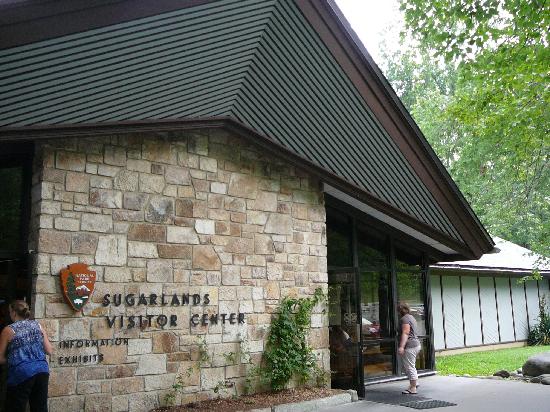
Sugarlands, of course, is the home of the Sugarlands Visitor Center and the headquarters of the Great Smoky Mountains National Park. Sugarlands is also an area of the National Park that stretches from the Grapeyard Ridge and the Roaring Fork area to Sugarland Mountain. The road out of Gatlinburg runs straight through Sugarlands and is one of the most used access points to the GSMNP.
The Native Americans, particularly the Cherokee hunted the land that came to be known as Sugarlands for thousands of years before the first European Settlers go to the area. The settlers that came to East Tennessee found a valley in Sugarlands that was good for growing crops, protected them from the harshest of the winter storms and provided them with natural insulation from outsiders. The Sugarlanders were isolationary and stayed to themselves. Their communities flourished and though life continued around them (the Civil War and other national occurrences) the people of Sugarlands continued along their path.
With the coming of the logging industry, the people of the Sugarland area began to have visitors to their valley. As the rail lines brought in summer vacationers, the Sugarlanders had new people to sale to their goods to. They embraced the people of other areas that wanted a mountain spot to vacation. In fact many Sugarlanders took on legendary status. Mountain guides like Wiley Oakley helped to map the trails that would become the trails in the Smokies. Oakley guided visitors on a trail through an area called Scratch Britches that would become known as Rainbow Falls Trail.
When Congress passed the establishment of the Great Smoky Mountains National Park, the people of Sugarlands were some of the first to be displaced be the coming change. Most of them took the buyout offered by the Park Service but some of the Sugarlanders had to be forced out of the area. After all of the residents had been removed from the area, the Park Service the CCC began the task of building the structures that we have all come to know and love in the GSMNP.
Modern Sugarlands offers everything a visitor to the Smokies could want and more. Reservations for campsites, a museum of the wildlife in the Smokies, a video about the foundation of the park, trails and of course, contact with the guardians of the National Park – the Park Rangers. Ask them questions, get help planning your hike for the day or even let your little ones participate in the Junior Ranger Program. Sugarlands was a place that visitors of old went to learn about the mountains, some things have not changed.
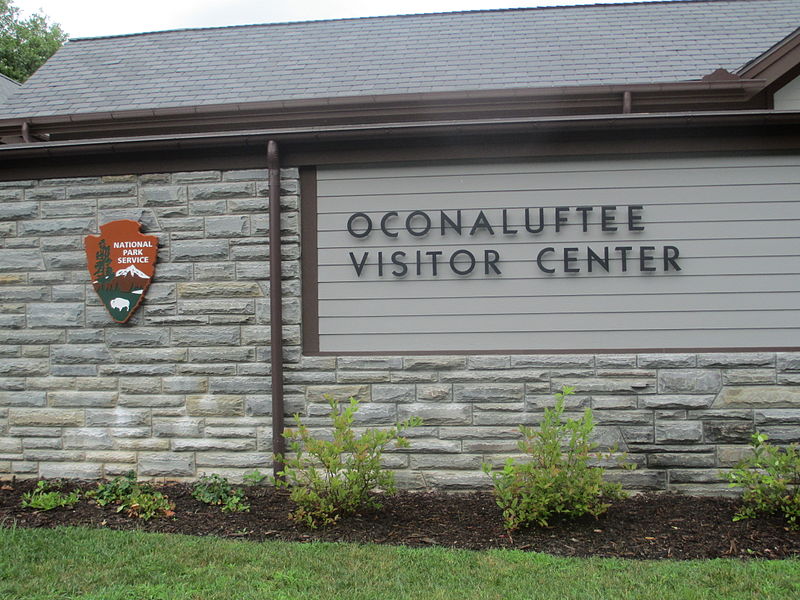
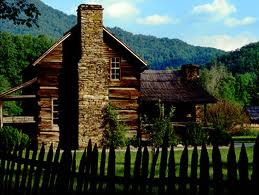 Also, in the Oconaluftee area, there is a visitors center. Including a small museum, a mountain farm museum and access to park rangers, the visitors center at Oconaluftee allows you to plan your excursion into the national park. Talk to the rangers, make reservations for the various camping spots around the park, walk through the museum and learn more about the creation of the national park and the people that used to call this area home or maybe you want to head outside. Behind the visitors center is a replica of a small mountain farm. The early communities of the mountains lived in clusters of small farms. The people would have enough livestock and farm land to support their families during the year and have a little left over to trade with their neighbors as the bartered for the goods they needed.
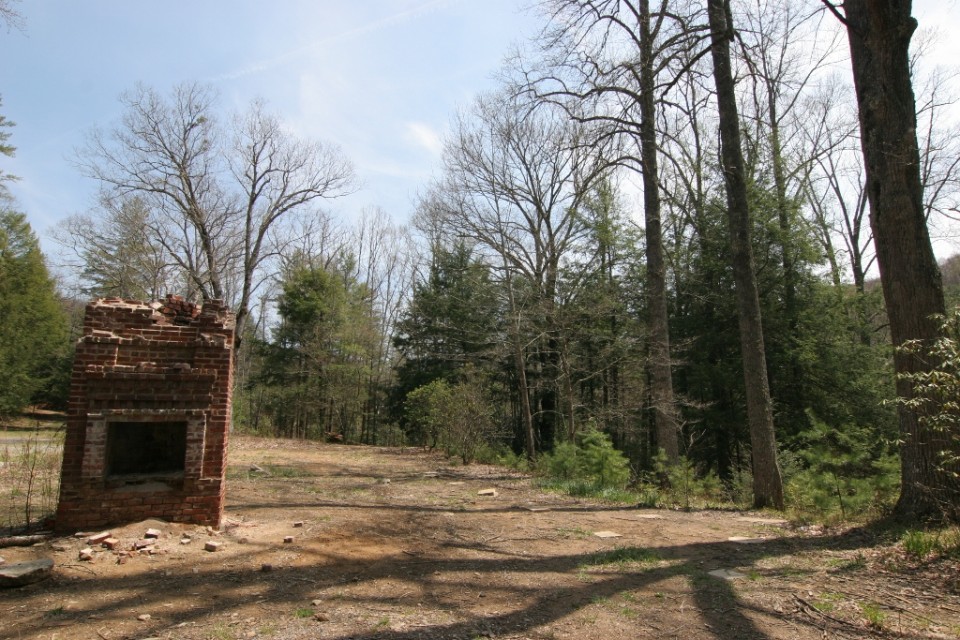
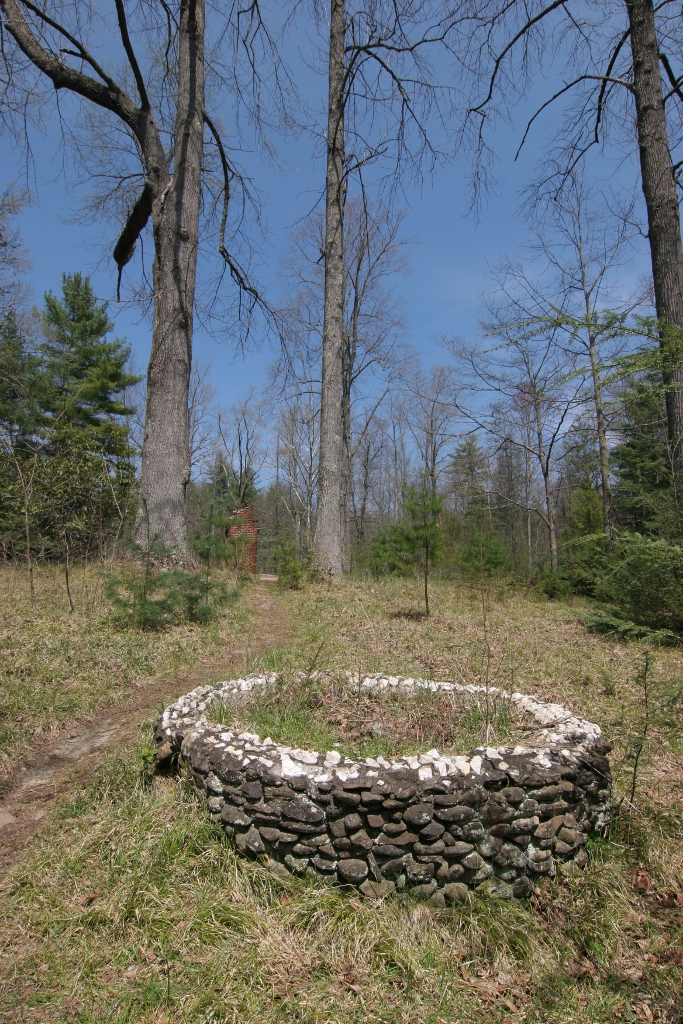
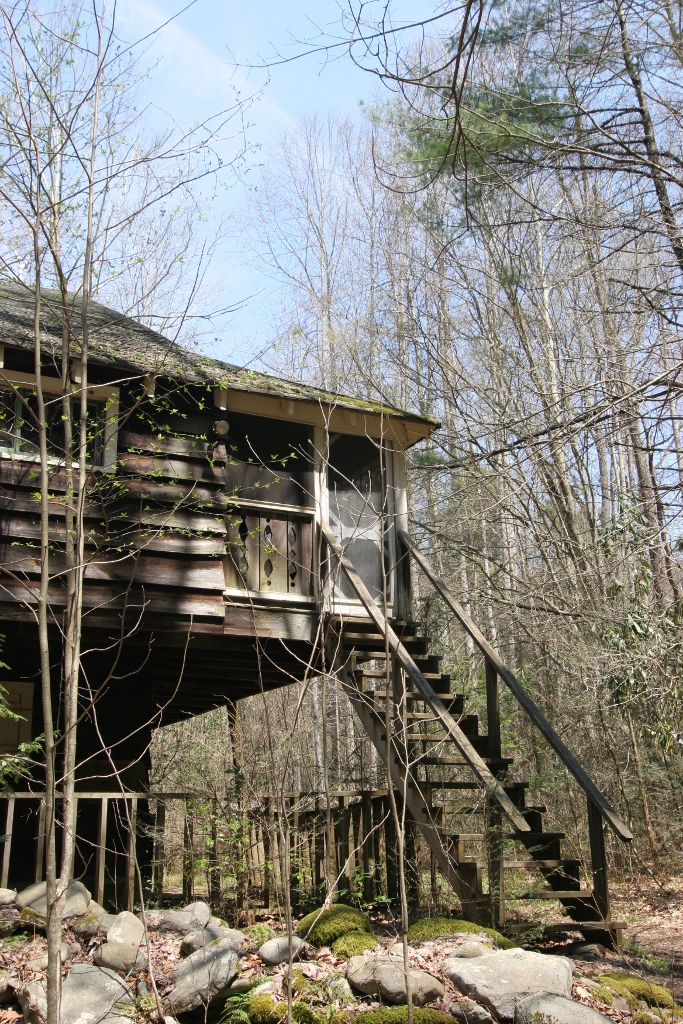
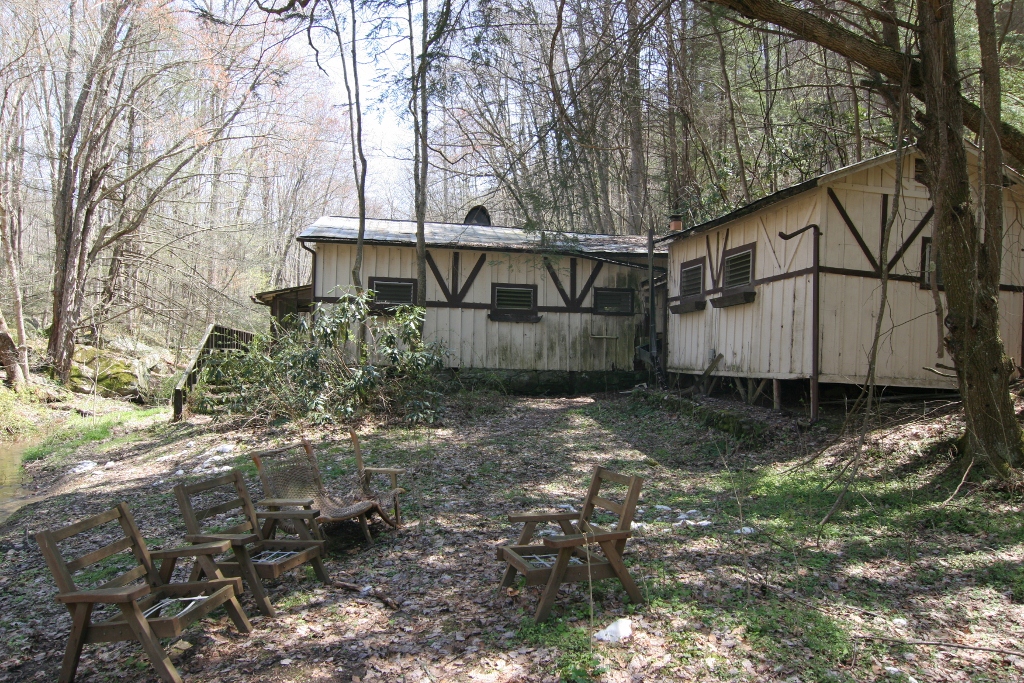
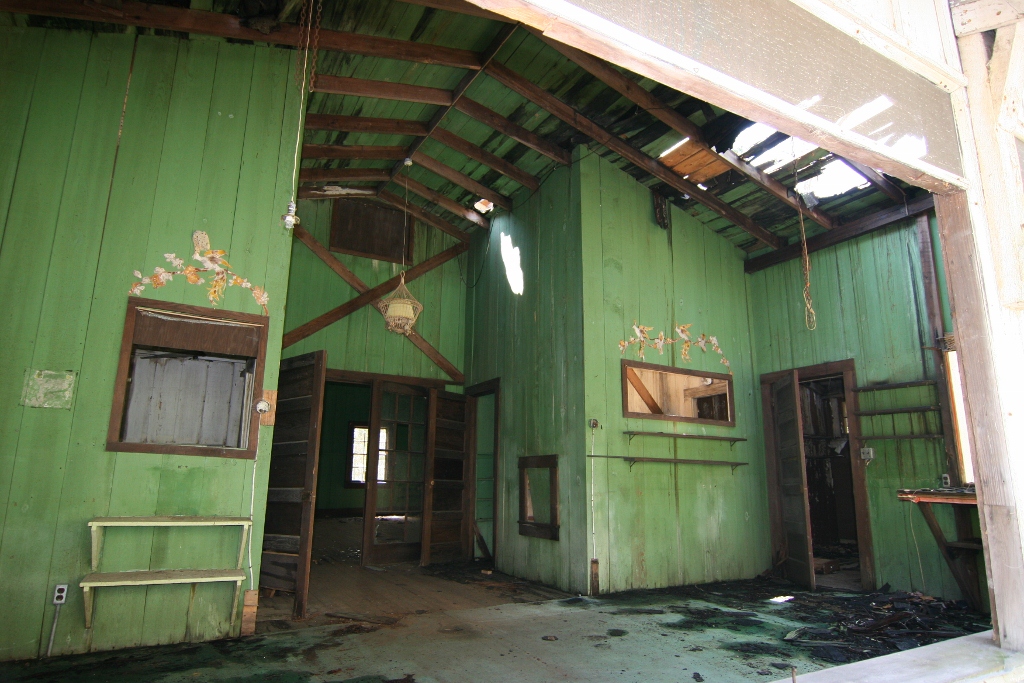
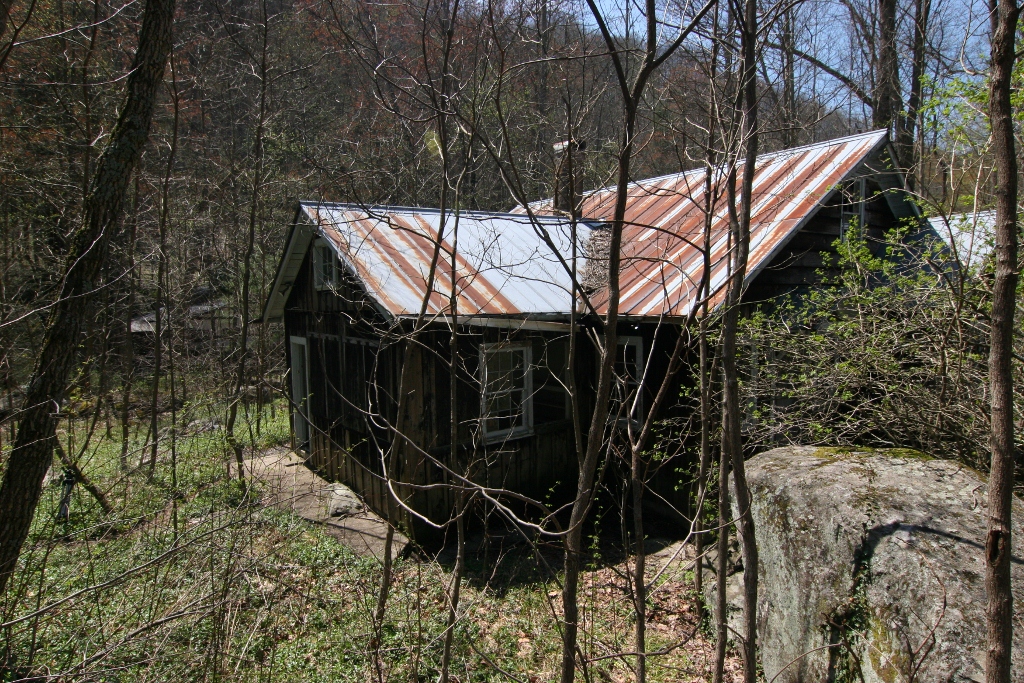
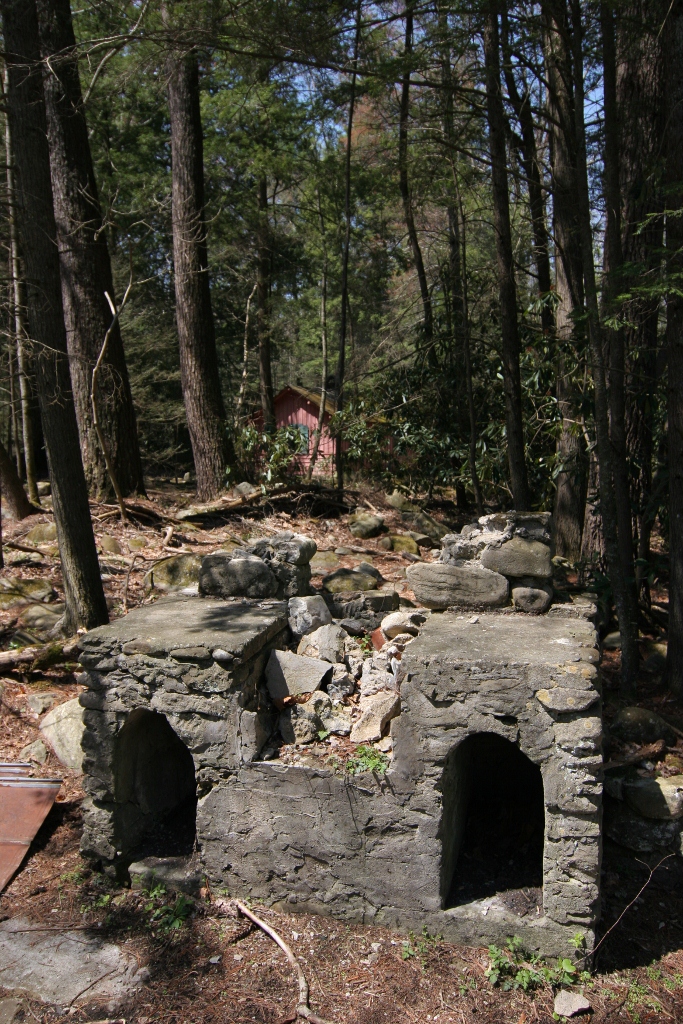
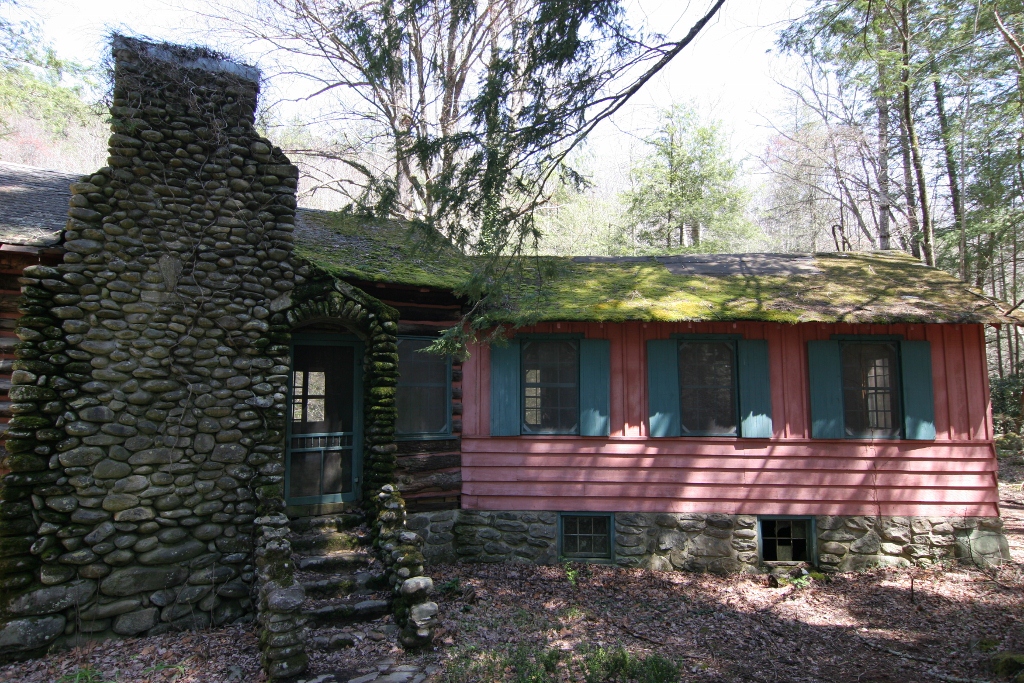
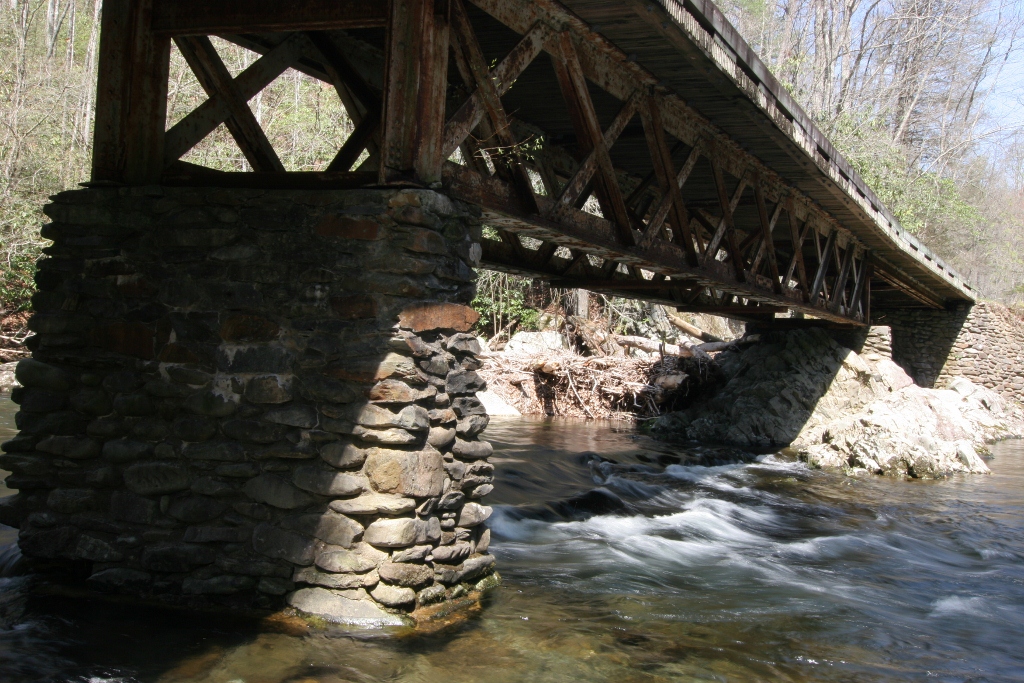
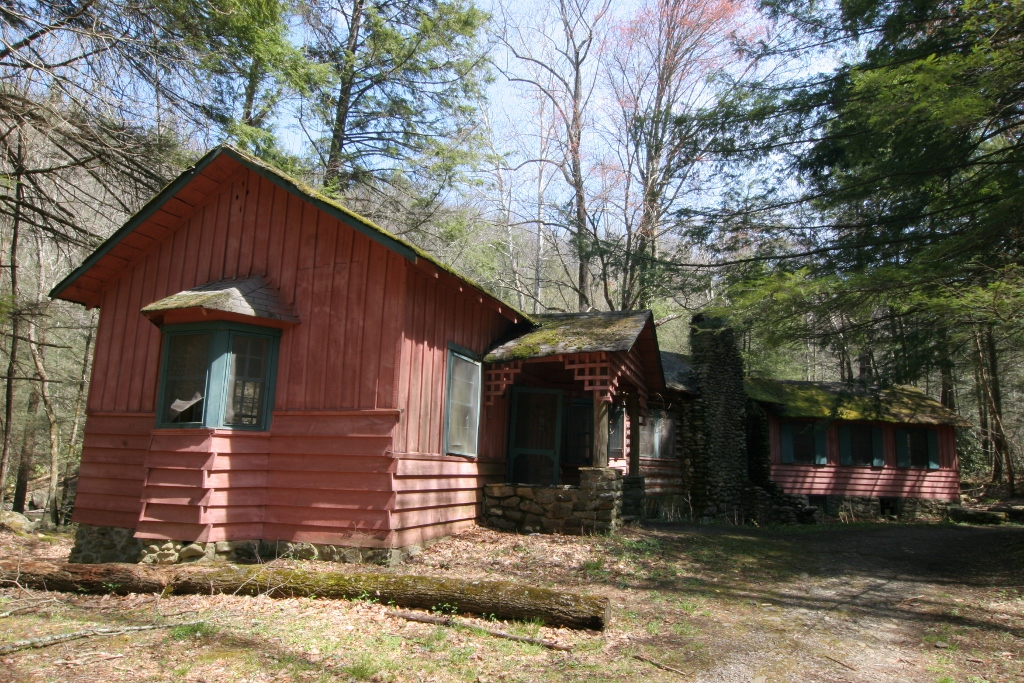
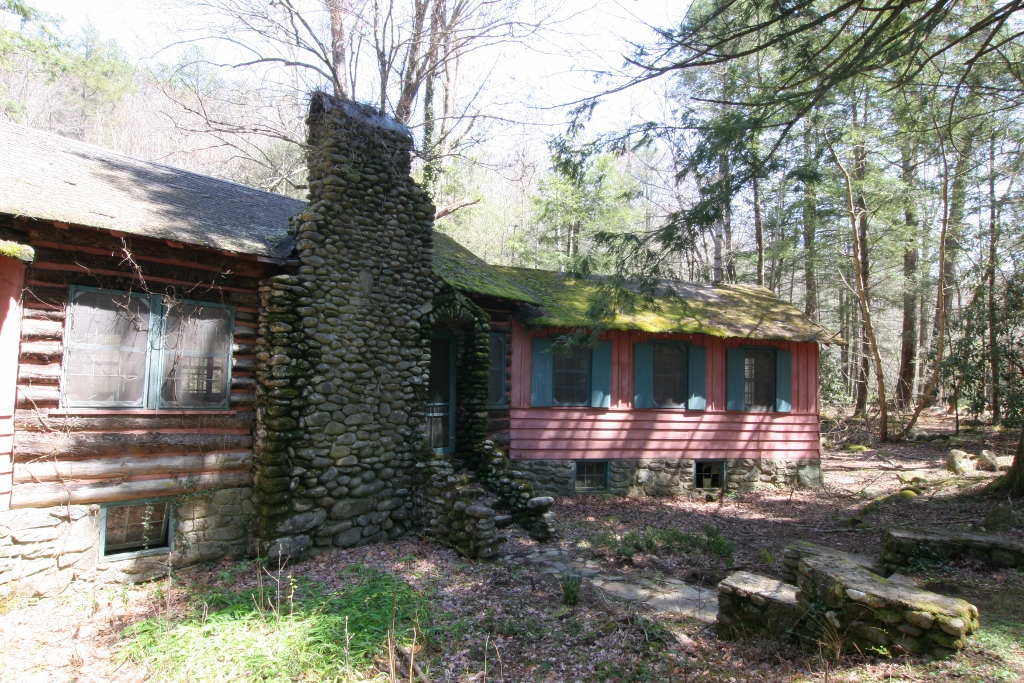
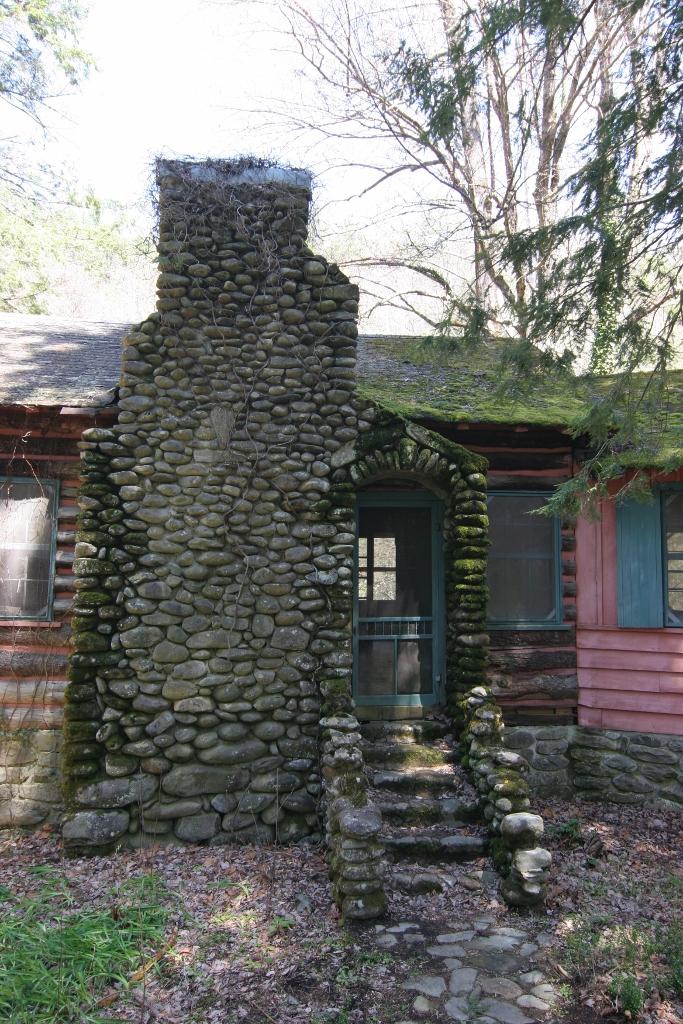
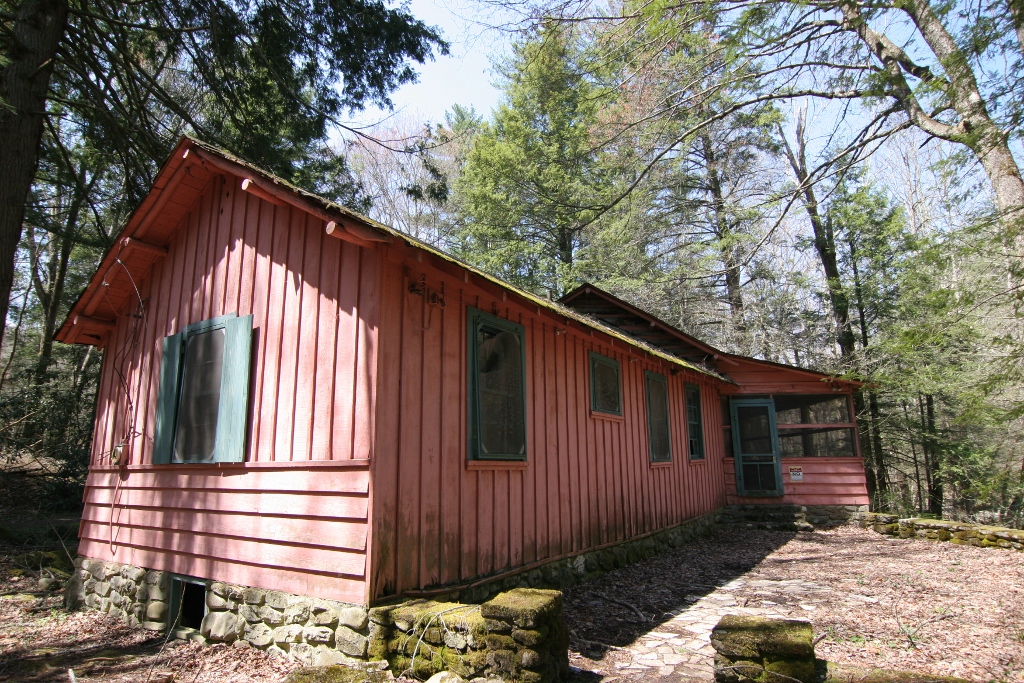
 The Cataloochee Valley derives its name from the Cherokee word Gadalutsi which most likely referred to the trees that line the ridges surrounding the valley. The Cherokee used this valley as a hunting ground for elk and deer before the European settlers came to the area. When the first settlers saw the beautiful valley of Cataloochee they knew that they had found a home in the Smoky Mountains. From using the fields around the ridges for free range cattle to graze to actually moving into the valley itself to establish communities, Cataloochee became a thriving town in the Smokies complete with churches, a schoolhouse and much more. The people of Cataloochee were the first to embrace the sound to be founded tourism industry in the mountains. City Folk came to the area to experience the mountains and the town embraced them and their money.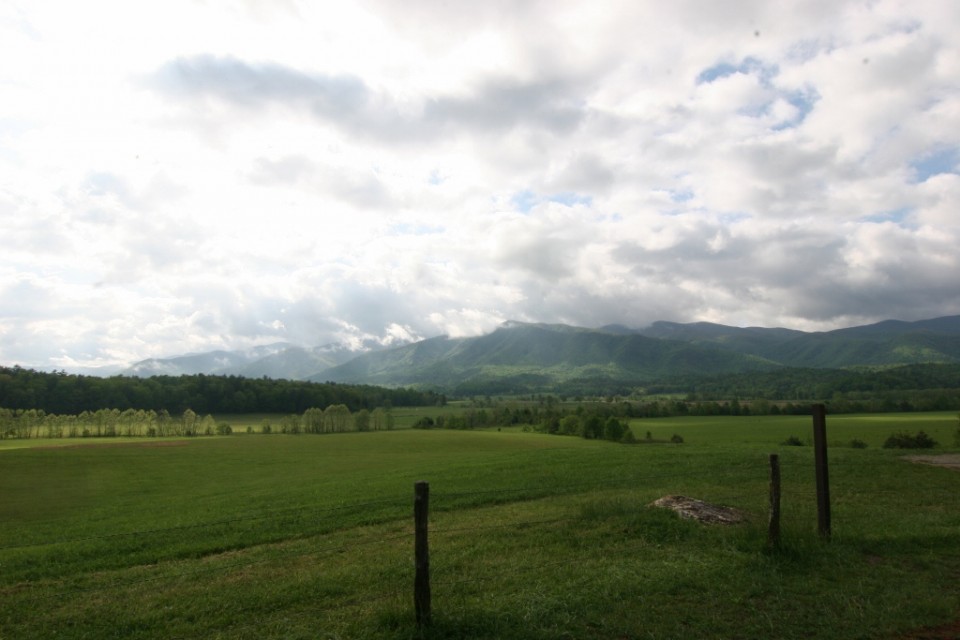
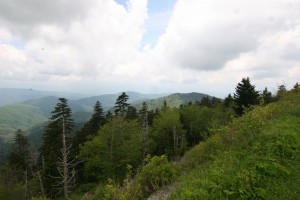 Cades Cove is the most popular
 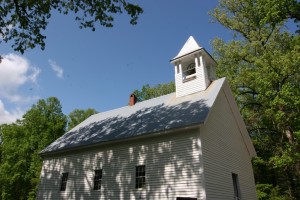 The people of Cades Cove farmed the land, fellowshipped with each other and were happy for the most part. Then in the early 1900s, the Great Smoky Mountains National Park went from being an idea to being a reality. The people of Cades Cove were the most resistant to the creation of the park and to their inclusion in the park. In 1927 the General Assembly of the state of Tennessee declared that Cades Cove would be included in the GSMNP. The residents of the Cove fought the inclusion but in the end they were forced out of the area. In the end, some of the residents were given a lifetime lease. In fact the last resident out of Cades Cove was Kermit Caughron who passed way in 1995 and his home was dismantled soon after that.
 Today you get to tour a Cades Cove that looked much as it did in the early 1900s. The eleven mile loop road around the Cove gives you access to all the historic structures, hiking trails and of course the wildlife that the cove is famous for. Before you enter the Cove you come to the riding staples, a picnic area and the campground and store. Cades Cove has it all.