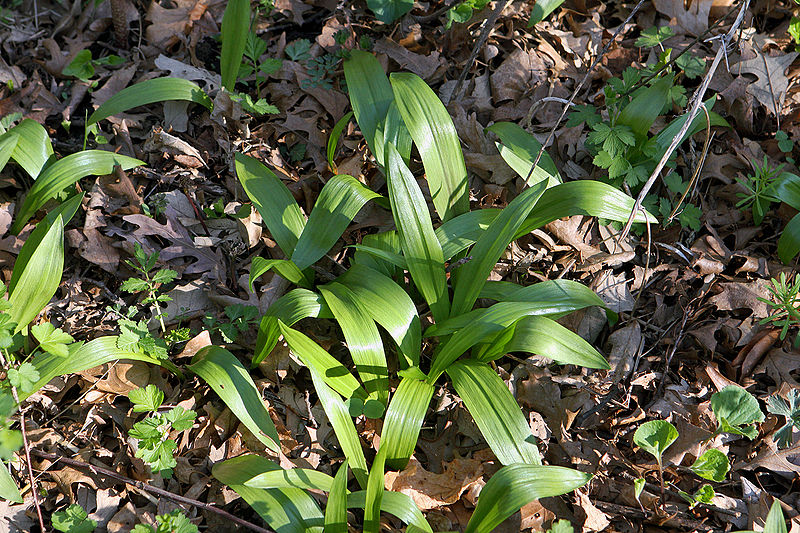
The ramp or ramps are one of those regional plants that most visitors don’t get a chance to experience. Part onion, part garlic and full of pungent flavor the ramp is one of those vegetables that you either love or hate. This part of the wild leek family is celebrated in food and in events that are held throughout the year during the harvest season.
Classification: Plantae – Angiosperms – Monocots – Aspasagales – Amaryllidaceae – Allioidea – Allium – Tricoccum
Description
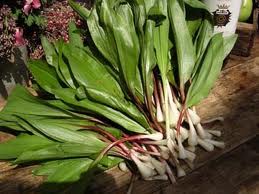 This variant of the wild leek has light-green leaves that tend toward purple at the base. The bulb of the ramp is like a scallion and like the scallion the leaves and bulb leaves are all edible. The arrival of the ramp in the spring signified that the harsh winters were over and the people looked to the ramp as a good omen. In fact, the vitamin content helped get many of the Appalachian settlers over colds and physical problems they had due to the lack of fresh vegetables during the winter.
The name ramp or ramps may come from the Old English word Ramson. Either way, the people that came to the mountains from their homes in Scotland and Ireland certainly were familiar with wild onions and wild garlic that they had back in their homelands. This familiarity made the ramp a treat in the spring.
Range
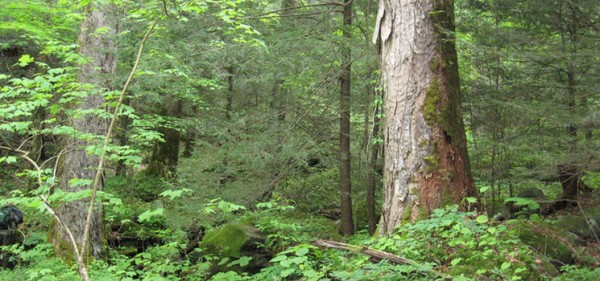
The ramp grows in the dark and moist areas of the National Park. You will probably see ramp and figure it is a wild onion. Outside of the GSMNP, people grow the ramp on their property to sell during the traditional harvest time in the spring.
Festivals
 Each year in Cosby, TN and Waynesville, NC the ramp gets its own celebration. The festivals have a lot in common. Art and craft shows give the people booths to browse through as they become hungry waiting for the ramps to get ready to eat. The ramp is prepared for consumption and of course you can buy some of this aromatic edible to take with you on the way home. Get ready to taste Ramps and Eggs – one of the best ways to eat this interesting plant.
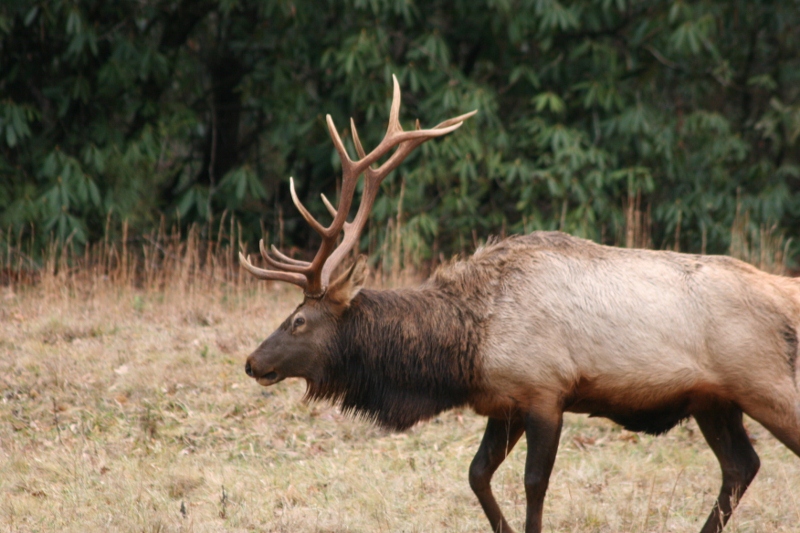
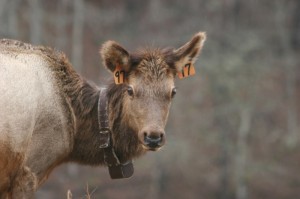 The elk is a big animal. Much bigger than the deer that are in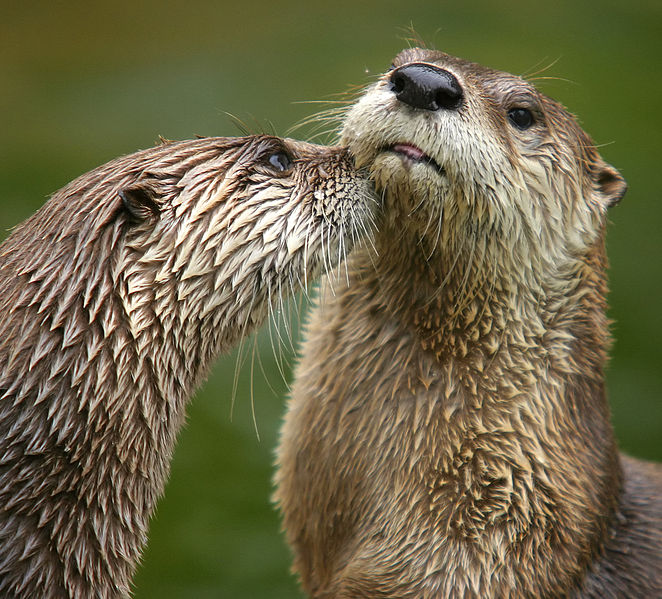
 River otters eat the small aquatic and amphibious animals that live in and around rivers. In the Smokies, that means that throughout the year these graceful creatures feast on trout and rock bass, on salamanders and frogs. Otters hunt in the water for their prey. They swim through the water and after spying something that looks particularly good to eat, they use their tail to produce a surge of speed. They catch their meal and then roll over on their back in the water to eat their newest catch.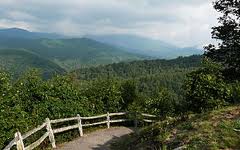
 The Cataloochee Valley derives its name from the Cherokee word Gadalutsi which most likely referred to the trees that line the ridges surrounding the valley. The Cherokee used this valley as a hunting ground for elk and deer before the European settlers came to the area. When the first settlers saw the beautiful valley of Cataloochee they knew that they had found a home in the Smoky Mountains. From using the fields around the ridges for free range cattle to graze to actually moving into the valley itself to establish communities, Cataloochee became a thriving town in the Smokies complete with churches, a schoolhouse and much more. The people of Cataloochee were the first to embrace the sound to be founded tourism industry in the mountains. City Folk came to the area to experience the mountains and the town embraced them and their money.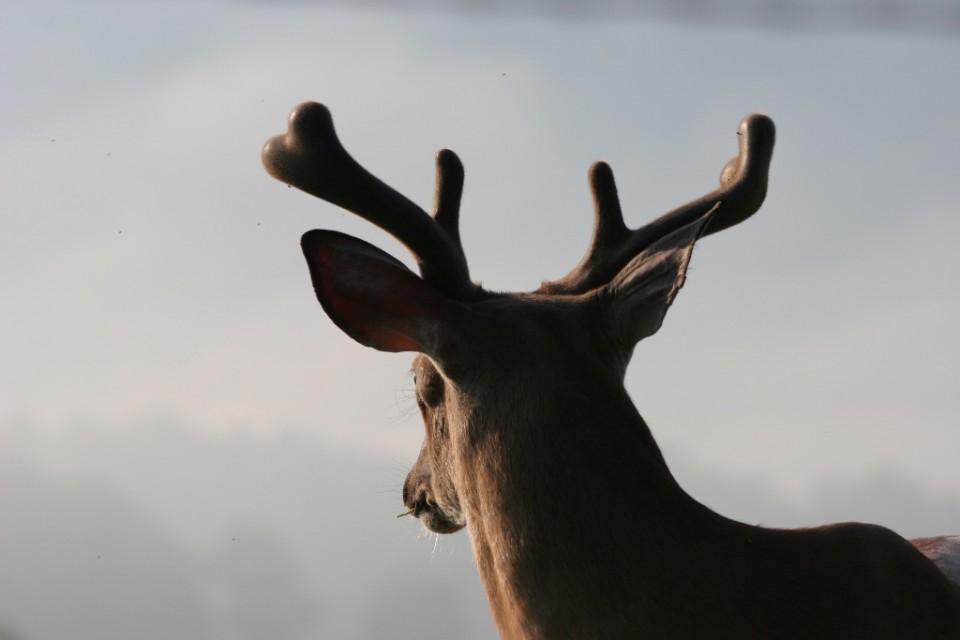
 The whitetail deer is a common sight along the roads and in the valleys of the Smoky Mountains. While they might not be as hard to find as the
  These herbivores eat the soft grasses graze throughout the year. The temperate climate in the Smokies also give them plenty of food in the winter months. During the mating season you will see spikes and bucks sparring and rattling their antlers on trees as they go through their own mating dance.

 In the Smokies