Kermit Hunter: Master of Appalachian Outdoor Drama
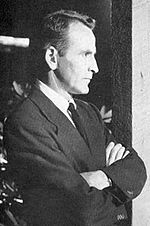
Kermit Hunter (1910–2001) was an acclaimed American playwright whose epic historical dramas played a foundational role in shaping the cultural and theatrical heritage of Western North Carolina. Best known for authoring Unto These Hills in Cherokee, NC, and Horn in the West in Boone, NC, Hunter’s works have captivated millions of mountain visitors and locals for generations.
🎓 Early Life & Academic Beginnings
Born in West Virginia, Hunter served in the U.S. Army during World War II, attaining the rank of captain, before going on to manage the North Carolina Symphony. Pursuing a passion for theatre, he enrolled in the graduate program in Dramatic Art at the University of North Carolina at Chapel Hill.
While studying at UNC, his talent was quickly recognized, and several of his works were produced by the Carolina Playmakers. Around this same time, the Cherokee Historical Association was searching for a writer to craft an authentic outdoor dramatic production chronicling the history and resilience of the Cherokee people.
🎭 Unto These Hills & The Cherokee Legacy
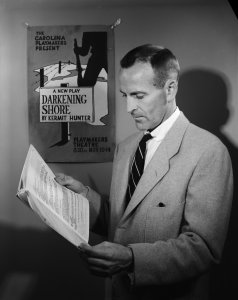
Hunter enthusiastically took on the challenge, immersing himself in historical research to turn the vision of the Cherokee Historical Association into a powerful script. His draft won the submission contest, leading to the grand premiere of Unto These Hills in 1950 at the Mountainside Theatre in Cherokee, NC.
- Enduring Success: Unto These Hills became the nation’s second-longest-running outdoor drama, drawing millions of theatergoers to Cherokee over the decades.
- Evolution: While the production script has been adapted over the years to incorporate updated historical perspectives, Hunter's original vision remains the foundation that put Cherokee’s outdoor theater on the map.
- Oklahoma Expansion: Following his success in North Carolina, Hunter was commissioned by the Cherokee Nation in Oklahoma to write The Trail of Tears, which was performed in Tahlequah, OK, through the mid-1990s.
🏔️ Horn in the West: Boone’s Revolutionary War Drama
Hunter’s other major mountain legacy is Horn in the West, performed every summer at the Daniel Boone Amphitheater in Boone, NC.
Set against the backdrop of the American Revolution, the drama tells the story of Daniel Boone and the brave frontier settlers who established communities in Western North Carolina and East Tennessee. Premiering in 1952, it remains the nation’s longest-running Revolutionary War outdoor drama and a cornerstone of Boone's summer cultural calendar.
🌟 A Lasting Theatrical Impact
Over the course of his career, Kermit Hunter authored more than 40 historical plays and pageants across the United States. His unique ability to weave American history, regional folklore, and dramatic storytelling into large-scale outdoor theater forever enriched Appalachian culture—a legacy celebrated every season in the mountain theaters where his stories live on.